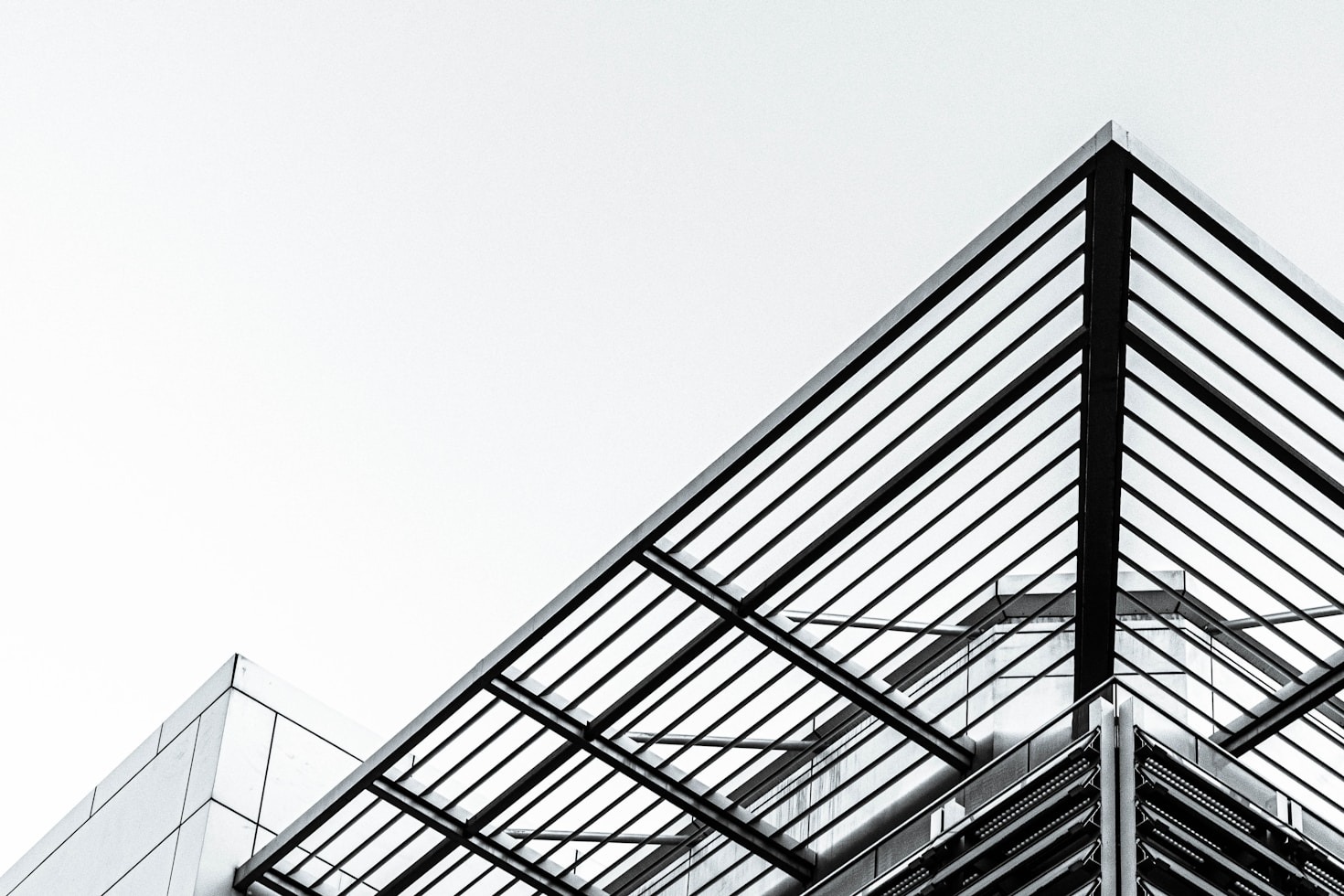
Steel structures are admired for their strength, durability, and versatility, but their true performance lies in the details. Every joint, weld, and connection is more than a technical necessity—it is the backbone of safety and longevity.
Great architecture stands on great details. In steel structures, detailing is the invisible art of durability.
Detailing ensures that loads are transferred correctly, minimizing risks of failure under stress. Without precise detailing, even the strongest steel can become vulnerable to fatigue and corrosion. In modern construction, detailing bridges the gap between design and execution, turning architectural vision into reliable reality. It is the language engineers and fabricators use to communicate accuracy. A well-detailed structure not only stands tall but also saves costs by reducing errors and rework.

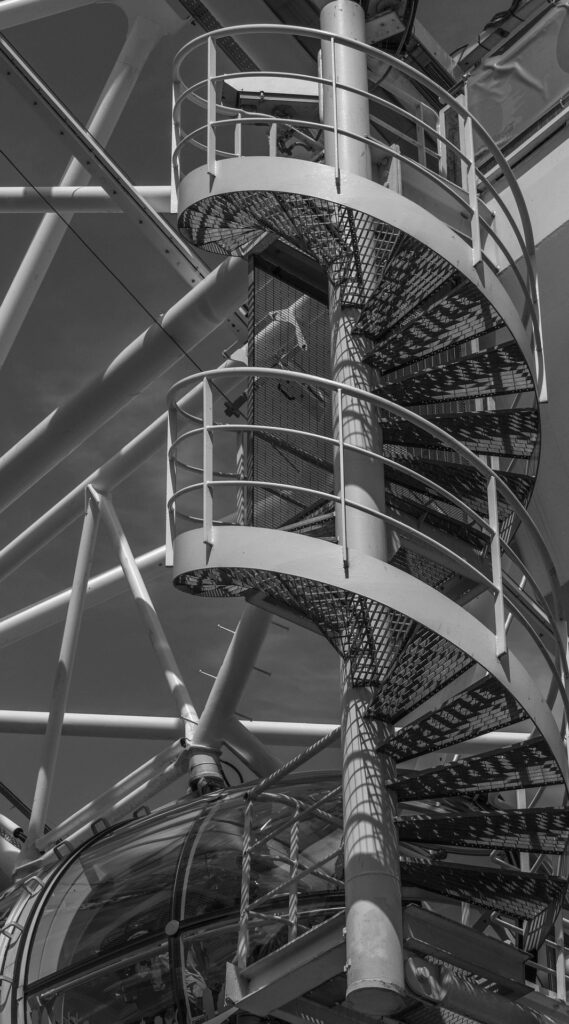
Detailing also plays a critical role in sustainability, as optimized connections mean less material waste. In high-rise buildings, stadiums, or industrial plants, detailing defines whether steel performs as expected under extreme conditions. It transforms abstract calculations into tangible, safe solutions. Beyond safety, detailing contributes to aesthetics—clean lines and seamless joints elevate the visual impact of steel. In global projects, standardized detailing ensures consistency across teams and borders.
BIM and 3D modeling
Technology like BIM and 3D modeling has revolutionized detailing, making it smarter and more efficient. Yet, the human expertise behind detailing remains irreplaceable. Ultimately, detailing is not a minor step—it is the invisible art that makes steel structures timeless.